


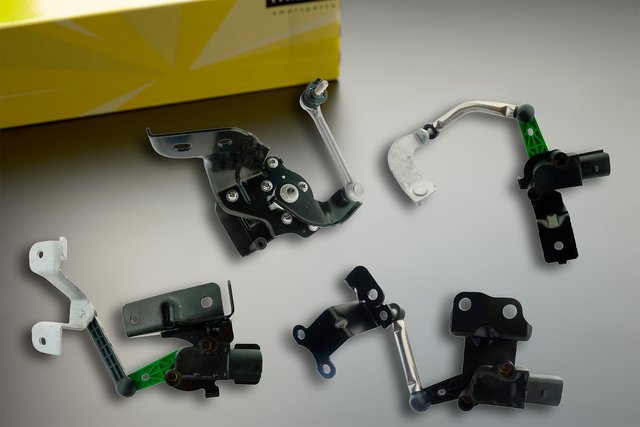
We are once again expanding our extensive range of sensors. This time we are so far adding a range of 50 references in level sensors. Depending on the make and model, the information from the level sensors is used to adjust the ride height and/or headlights.
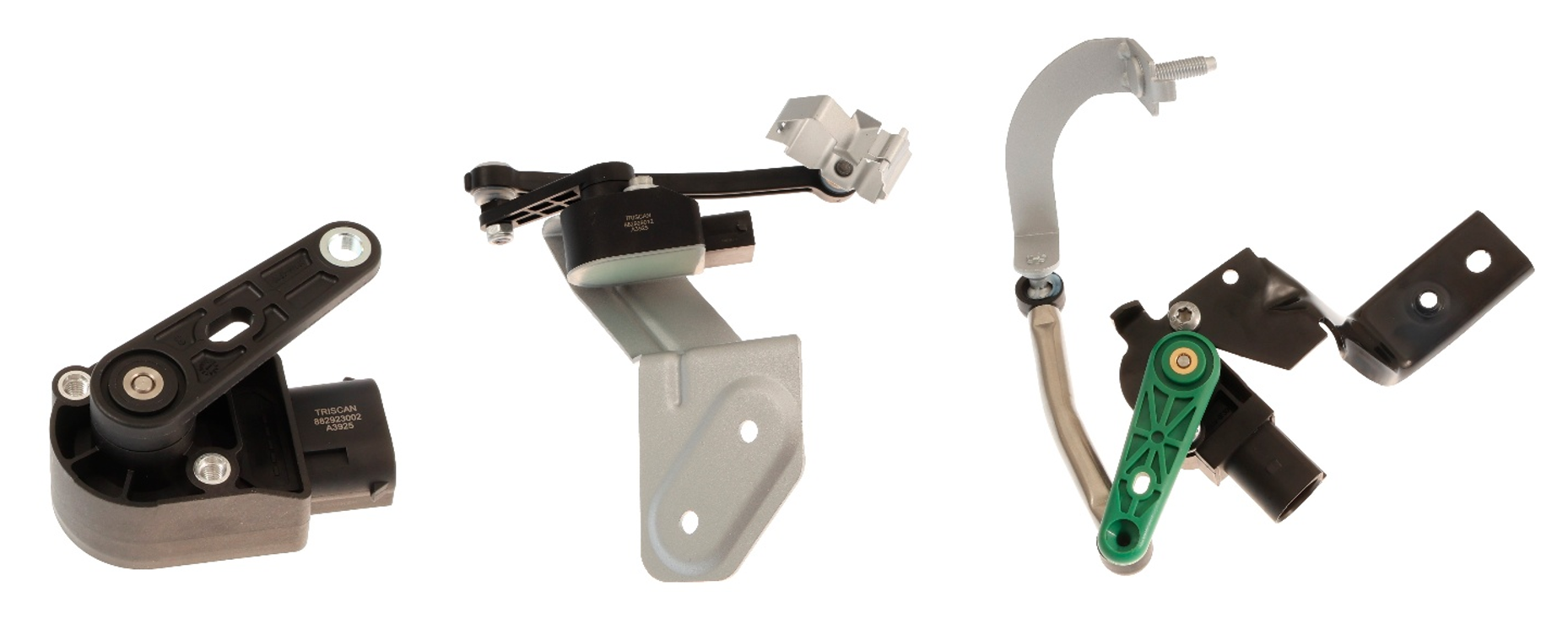
The level sensor is a mechanical/electronic device that is mounted on the vehicle's suspension. This location means that they are exposed to both dirt and water, which often causes them to fail. In this context, it is important to mention that Triscan level sensors are subject to massive testing and meet the requirements of car manufacturers. In terms of water and dust tightness, they exceed the requirements by meeting the highest degree of protection – IP6K9K (DIN 40050-9/ISO 20653). The scope of delivery is the same as OE. Special fittings for installation and levers are therefore only included in cases where it also applies to OE-delivery.
Testing includes:
- Thermal shock test
- High and low temperature testing in wet environment
- Rotation and oscillation test
- Dust and water resistance test
- Electromagnetic compatibility test - EMC
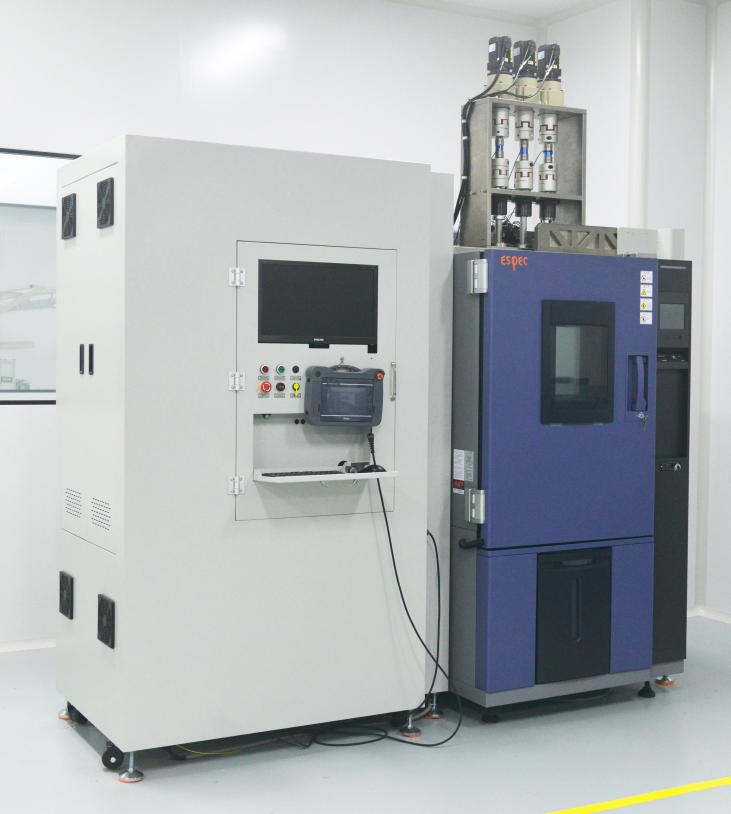
Rotation and oscillation test of Triscan level sensor in contaminated environment (water and mud)
What is the task of the level sensor?
A level sensor provides information about a vehicle's ground clearance, which, depending on the car model and equipment variant, is used to:
- Maintain proper suspension height – especially in pneumatic or hydraulic suspension systems
- Automatically adjust headlight visibility based on the load – to avoid dazzling other road users
- Optimize handling and comfort by adjusting damping or suspension stiffness
- Enable features such as automatic levelling for heavy loads
How many level sensors are there on a car?
Most cars with level sensors have 2 to 4 sensors installed. Some only have 1 or 3.
- Luxury cars and cars with air suspension - usually 4 sensors - one at each wheel
- Vehicles that only have automatic headlight adjustment - often 2 sensors - one on the front and one on the rear axle. The exact number depends on the complexity of the system
How does a level sensor work?
Level sensors are mounted in the undercarriage, where they create a connection between the body and the suspension via one or more moving joints. Using a potentiometer or a Hall effect sensor, the level sensor detects the angle of the lever, which continuously changes in line with the load the suspension is exposed to. The sensor sends a voltage signal to the ECU (Electronic Control Unit), which is used to interpret the ground clearance and adjust the suspension and/or headlight angle accordingly.